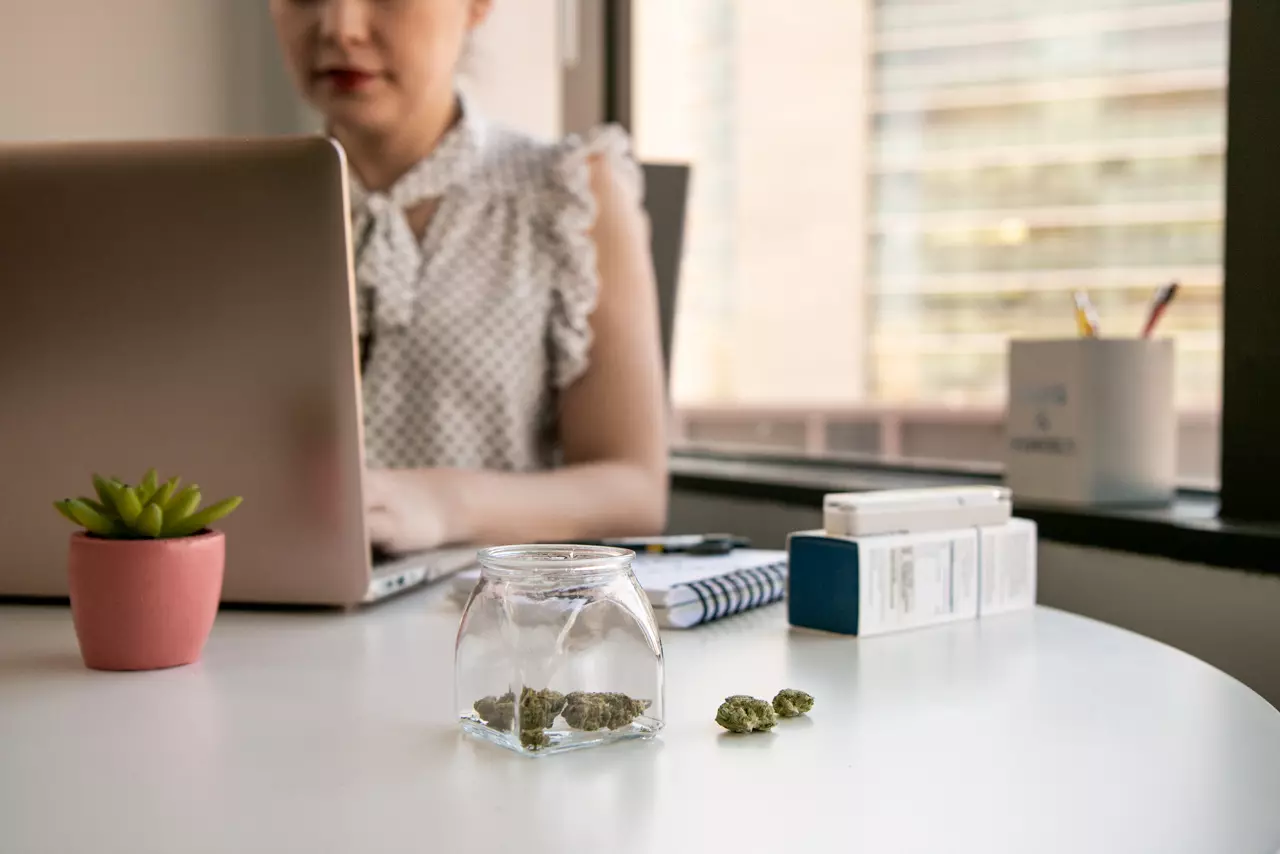

MA cannabis cafes are now covered by statewide social consumption regulations that took effect on January 2, 2026, but businesses still need state licensing and local approval before any on-site sales and consumption can legally begin. The Massachusetts Cannabis Control Commission approved the final regulations on December 11, 2025, and noted that social consumption licenses were not yet available as the rules took effect.
People use “cannabis cafe” as a catch-all term. The state framework is broader. It covers three license models, different kinds of spaces, and a strong local control layer. Your main takeaways are simple.
- The state created three permit types for on-site consumption businesses and temporary events.
- Cities and towns must opt in before a venue can move forward locally.
- Alcohol and tobacco are not allowed within licensed spaces.
- Operators must plan for impaired driving prevention, including a transportation strategy.
What follows breaks down how the 2026 system works in practice, what kinds of venues can qualify, what safety rules apply, and how municipal opt-in decisions control where cafes and lounges can open.
The 2026 state regulations explained
The current Massachusetts social consumption rules rest on two dates.
- December 11, 2025, the Cannabis Control Commission approved final regulations.
- January 2, 2026, the regulations took effect after promulgation by the Secretary of the Commonwealth.
The effective date does not mean cannabis cafes can open right away. The Commission stated that licenses were not yet available as of January 2, 2026, and businesses will not be authorized to sell regulated cannabis for on-site consumption until they receive a state license.
That gap exists because the Commission still needs to build the licensing system. The Commission described work over the next several months that includes creating new license applications in the state portal, new guidance, new staff procedures, responsible vendor training for social consumption agents, and public education work.
The three new permit types
Massachusetts created three social consumption license models. You will see them described as supplemental, hospitality, and event organizer.
1) Supplemental on-site consumption
This model is geared toward existing cannabis operators that want to add a designated on-site consumption area as part of their current operations. The Commission described it as a path for existing marijuana establishments to add on-site consumption.
In day-to-day terms, this is the “tasting room style” concept people often picture. A consumer purchases compliant products from the licensed operator, then uses them within the authorized consumption area under the lounge rules.
2) Hospitality on-site consumption
This model is designed for non-cannabis hospitality settings that want to host consumption in partnership with a qualifying cannabis business. The Commission described hospitality as a model for new or existing non-cannabis businesses to host consumption activities in partnership with qualifying marijuana establishments.
This is where the “cannabis cafe” label most often lands. The core idea is that the venue experience is centered on hospitality. Cannabis sales and service still follow cannabis regulations.
3) Marijuana event organizer
This model allows temporary consumption events. The Commission described an event organizer license for qualifying marijuana establishments to organize and host temporary consumption events.
Event organizer rules also include limits on the amount of permitted sales activity. A Commission release on the draft framework described events limited to no more than 24 single days of permitted sales activity during a calendar year and no more than five consecutive days at any temporary event.
Implementation dates for operators
If you are tracking when operators can actually begin, separate these steps.
Step 1 is state rules taking effect
That happened January 2, 2026.
Step 2 is the state license application system becoming available
The Commission stated on January 2, 2026 that social consumption licenses were not yet available and that it would be creating license applications and related materials over the next several months.
Step 3 is local opt-in and local approvals
The Commission stated municipalities must opt in through a referendum, ordinance, or bylaw.
Without local opt-in, an operator cannot complete the local side of the process, even if the state application path is ready.
Step 4 is the first social consumption establishment opening
This date is important because some local guidance notes an exclusivity window tied to the first opening. For example, the City of Somerville describes a 60-month period in which the license types are only available to eligible applicants, and notes that the launch date of the first social consumption establishment has not yet been determined.
In short, the state rules are active, but the operational start date for actual cafes depends on licensing availability, municipal opt-in decisions, and the pace of local permitting.
Approved consumption venues
The social consumption framework is built to cover multiple real-world settings. People hear “cafe” and picture a single type of business, but the rules are meant to support at least two broad categories.
- Permanent venues that operate like a lounge, cafe, or similar hospitality setting
- Temporary venues that operate under event plans for defined dates
This section focuses on the two areas you called out, hospitality venues like cafes and hotels, plus event organizer permits.
Hospitality licenses for cafes and hotels
A hospitality on-site consumption license is the closest match to how most people imagine MA cannabis cafes. The state described hospitality as a model where a new or existing non-cannabis business hosts consumption activities in partnership with a qualifying marijuana establishment.
That partnership concept is important for how you think about a cafe or a hotel.
Cafes and similar hospitality spaces
A cafe-style venue can be a standalone space that is built for on-site consumption, or a section within a broader hospitality footprint. The point is that the on-site consumption area must be designated and run under the state rules for social consumption establishments.
You should expect the venue to control how cannabis use happens on-site. That includes what product forms are permitted in specific areas, how staff manage impairment, and how food and non-infused beverages are handled. The Commission has described food service elements in its social consumption announcement, including authorization to sell non-infused food and drink items that are pre-packaged and shelf-stable.
Hotels and lodging-adjacent settings
Hotels are part of the broader “hospitality” idea, but they involve another layer. Property rules and private contracts still apply, and many hotels will restrict any smoking on site. The social consumption framework can support non-smoking consumption areas, which may fit edibles and beverages depending on the final licensed site plan and local rules. A common practical shape is an indoor non-smoking area, paired with strict entry controls.
Since local control is strong, a hotel setting could also face tighter local restrictions such as bans on combustion on-site, which the Commission has explicitly noted as an example of local requirements that can shape these establishments.
What you can expect in day-to-day operations
In a hospitality setting, your experience will likely look more like a managed consumption space than an open-ended hangout.
- You can expect staff training focused on impairment recognition through responsible vendor training requirements discussed by the Commission.
- You can expect packaging and take-home controls for unused product, since the Commission described the use of opaque, child-resistant, sealed exit bags to help avoid overconsumption on-site.
- You can expect menus that include product information and projected onset timing, which the Commission described as part of menu information rules.
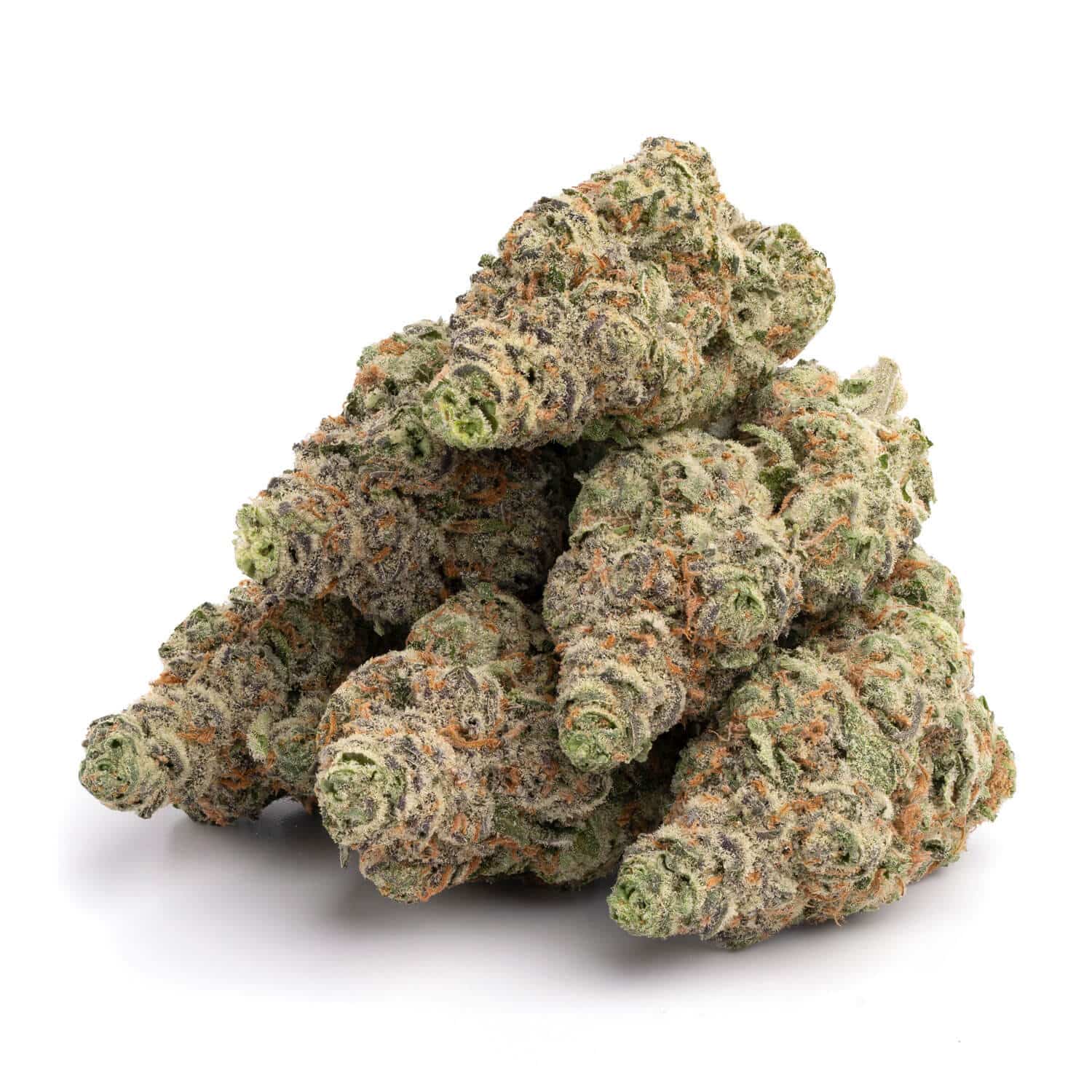
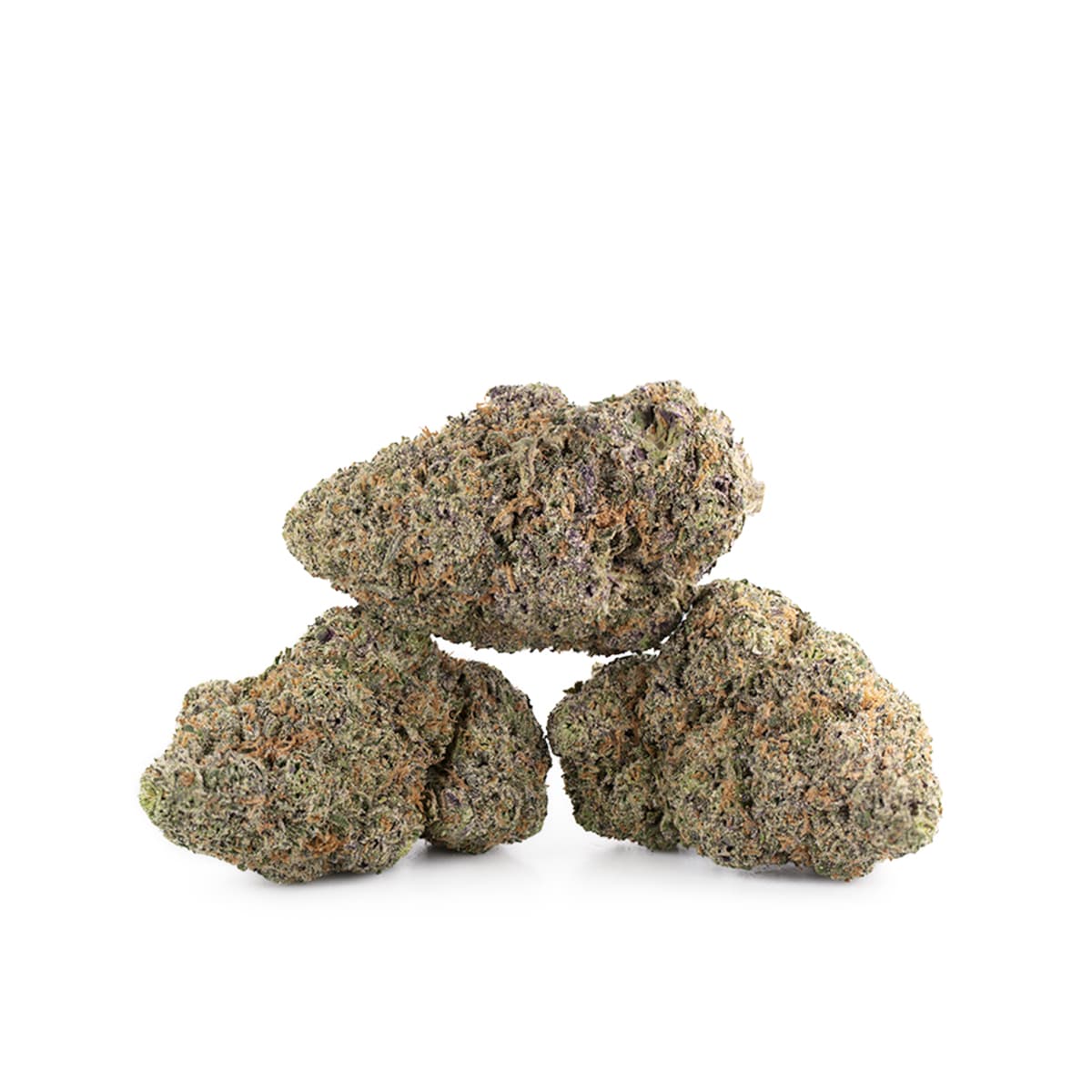
If you want to see how products are typically categorized before consumption venues are widespread, browsing a dispensary’s current cannabis product selection can help you compare product types, serving sizes and labeled THC per serving, which is the same type of label information you will likely rely on in a lounge setting.
Event organizer permits
Event organizer licensing is built for temporary events like concerts, festivals, weddings, and other planned gatherings. Massachusetts framed this as a separate license type tied to temporary consumption events.
The basic idea is that consumption is allowed only within the authorized event area under the event plan. Local approvals remain central.
A local government page in Somerville describes the event organizer license as allowing consumption on-site at an event and limiting activity to 24 licensed days per calendar year, with events not lasting longer than five consecutive days. It also notes event organizers must secure required local permits before seeking state approval, and compares the local permit process to a one-day alcohol license process.
A Commission release on the draft framework also described event limits, including no more than 24 single days of permitted sales activity during a calendar year and no more than five consecutive days at a temporary event.
How events can function in practice
Temporary events are likely to be highly plan-driven.
- The organizer defines the event footprint, entry points, consumption areas, and product service plan
- The organizer secures local permits and local public safety input
- The organizer submits an event plan for state review and approval
If you attend an event organizer site, you should expect visible boundaries. The rules are designed so consumption is limited to the permitted event area.
What this means for “cannabis cafes”
Events are not cafes, but they may be the first place many people see legal social consumption in Massachusetts, depending on local opt-in and how quickly the Commission can open licensing. That can shape public expectations. A one-night event with tight controls can feel very different from a regular cafe that is open multiple days per week.
Safety rules and restrictions
Massachusetts built the social consumption framework around safety controls that address impaired driving, overconsumption, and the risks that come with mixing substances. For consumers, the big day-to-day impacts are simple.
- No alcohol allowed within licensed spaces
- Transportation planning aimed at reducing impaired driving
- Staff training and operational controls that limit over-service
The strict ban on mixing cannabis and alcohol
Massachusetts social consumption rules prohibit alcohol in licensed spaces. Commission materials describe no intersection of alcohol or tobacco and tobacco products within licensed spaces or premises.
News coverage quoting Commission leadership has also repeated this point, using phrases like not allowing alcohol to co-mingle with cannabis at these sites.
From a practical standpoint, this ban means you should expect a different kind of “night out” experience than a bar.
- No cannabis lounge that is licensed for social consumption should be serving alcohol in the licensed area
- A venue cannot sell alcohol in a way that intersects with the licensed consumption space
- Staff training and site design will likely enforce separation so the rule is workable in real life
If you are used to pairing cannabis with a drink, plan to keep them separate in time and place. A social consumption venue is not set up for that mix, and the rules are designed to prevent it.
Mandatory rideshare plans for patrons
A major focus of the rules is impaired driving prevention. The Commission described requiring licensees to have a transportation strategy with local public safety partners’ input to assist impaired consumers.
Local news coverage has described this in simpler language as a rideshare plan requirement.
For you as a consumer, this can change how you plan the night.
Plan your ride before you arrive
If you are going to a lounge, you should assume staff will ask about your plan if you seem impaired. Having your ride set up early makes the exit smoother.
Do not drive after using cannabis
This is the core safety goal behind the transportation strategy requirement. If you plan to consume, plan a ride.
Expect staff involvement
A transportation strategy with public safety input suggests venues may have defined steps for impaired patrons, including staff prompting rideshare use or other safe transport options.
Expect pacing controls
Rules tied to overconsumption prevention can affect how products are served. The Commission described measures like sealed exit bags for unused product and menu information including onset timing, which point toward a model where staff and signage encourage slower pacing.
Other restrictions you should expect
Even without reading the full regulation text, you can anticipate a few common operational rules based on Commission descriptions.
Tobacco restrictions
The Commission described no intersection of tobacco and tobacco products within licensed spaces.
Last call style cutoffs
The Commission described a last call requirement cutting off service 30 minutes before the latest authorized sales time.
Employee training
The Commission described special responsible vendor training requirements for social consumption employees focused on impairment recognition.
Take-home controls
The Commission described allowing consumers to take unused product home in an opaque, child-resistant, sealed exit bag.
These rules point toward a setting where the operator is expected to manage use actively, and where you are expected to follow the venue’s process.
Local municipal approvals
Local control is a gating factor for MA cannabis cafes. Even with state rules in effect, a city or town must opt in before a local business can offer on-site social consumption under the new framework.
The town opt-in processes for local governments
The Commission has stated municipalities must opt in to allow social consumption locally by a referendum, ordinance, or bylaw in accordance with state law.
That means local governments have multiple ways to approve social consumption, but the key point for you is that it is not automatic statewide. A town can decide not to opt in, and that decision blocks local social consumption licensing activity.
In practical terms, local opt-in often connects to a few local issues.
- Zoning and where a venue can be located
- Operating hours
- Ventilation and smoke rules
- Restrictions on combustion
- Local public safety coordination for transportation plans
The Commission has also noted that host communities can add additional requirements to shape these establishments, and provided an example that a local government may prohibit the combustion of cannabis products.
Host community agreements and local negotiations
A host community agreement is part of Massachusetts cannabis licensing practice. The Commission’s host community agreement guidance states marijuana establishments must execute host community agreements or waivers with the municipalities in which they plan to operate.
For social consumption, the Commission has stated social consumption establishments will be required to enter into host community agreements, even if the business already operates a separate business under an existing agreement.
For you as a consumer, HCAs matter because they shape the rollout pace and local footprint.
- A town may move quickly on opt-in but negotiate agreements slowly
- A town may approve only specific zones, which affects where lounges can be located
- A town may apply extra operational requirements through its local approval process
What “local approval” means for your planning
If you are trying to plan a trip around social consumption, you will need to check local status, not just state status. The Commission has indicated municipal progress tracking as part of implementation communication.
You can use a simple approach when you plan.
- Confirm the city or town has opted in via referendum, ordinance, or bylaw. (Cannabis Control Commission)
- Confirm the venue has a state license once applications and approvals begin. (Cannabis Control Commission)
- Confirm the venue’s specific consumption rules, since towns can shape what is allowed locally. (Cannabis Control Commission)
If your plans include shopping in-store before heading to a private setting, references like a dispensary location in Attleboro or a dispensary location in Charlton can help you confirm location details and hours in the same trip planning flow.
You can find us at Pettals Cannabis Dispensary and use directions in Attleboro or directions in Charlton.